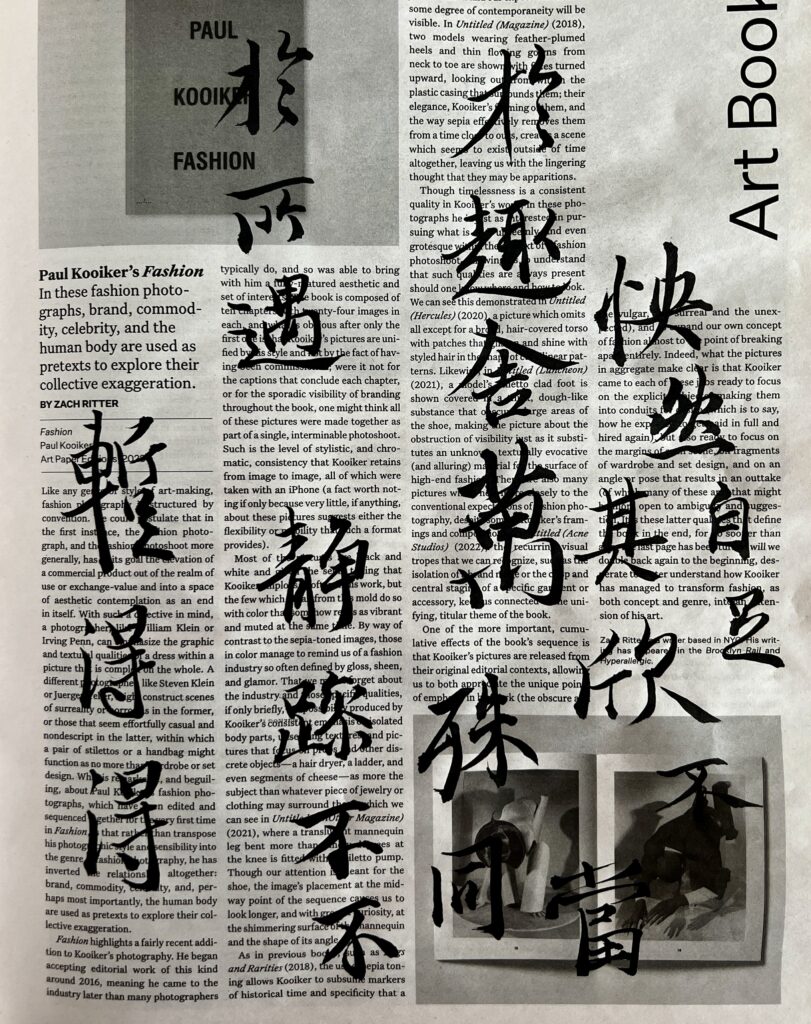
A place to document what I'm noticing, making, and wondering about. Musings, experiments, and reflections that thread together all my passion projects.
Sometimes I forget how far I’ve come as a dancer. Not in the sense that I forget the milestones I’ve hit, but in the sense that I forget how difficult certain aspects of dance used to be for me.
In dance, freestyling — as in, intuitively reacting to music and dancing without pre-arranged choreography — is my favourite thing. It is my most easily accessible and most enjoyable form of expression. It feels like the universe is channeling directly through me, like I’m conversing with god. It feels like a full surrender of my collective mind, body and spirit. I could go on and on about how incredible freestyling feels. And sometimes I forget that it wasn’t always this way.
I started dancing in the way most studio dancers do, by following an instructor’s choreography and implementing their feedback. After a couple years, I started visualizing dance while listening to music. I could see my body so clearly in my mind’s eye, and as the song played I would move that image of my body. I looked so good in my head, hitting all the beats I heard and executing the exact textures I intended.
When I tried it in real life, it was a disaster. My actual body couldn’t move at even half the speed as I was envisioning in my mind. Because my body couldn’t hit the sounds I wanted, my body just didn’t know what sounds to hit. It didn’t know what sounds to milk, what sounds to riff off of, what sounds to bypass. When I recorded my freestyle for the first time, I was honestly shocked at how terrible I was. I looked like I was just flailing around, frantically rushing the music because my mind was panicked and my body didn’t know what else to do.
My journey between then and now involved lots of:
- practice (just showing up, playing music, and moving)
- visual feedback through recording myself (identifying what didn’t look good, and going for another round with that specific correction in mind)
- choreo classes (to expand my movement vocabulary)
- verbal feedback from others (teachers, peers)
- listening to the music (identifying different types of sounds and learning how I naturally interpret them)
- listening to my body (learning what movements my body naturally enjoyed making, and how music influences those movements)
- spiritual connection (connecting to the mood/vibe/message of a song and learning to express that story through movement)
- time (years and years)
Nowadays when I freestyle, I feel like spirit is moving through me. It is nothing less than magic.
From dance to calligraphy
When I started learning Chinese calligraphy a few years ago, the ultimate goal was always to “freestyle” it. I wanted to get to the point where given a phrase, I could write it intuitively without a reference, and infuse my own style into it. I wanted to get to the point where it felt like god was guiding my hand, and I was just their loyal bodily channel.
I started my calligraphy studies by learning “choreography” — as in, copying old masters’ works. This is how most, if not all, Chinese calligraphy students begin. After a year or two of this, simply copying felt too rigid, and I had the itch to expand into freestyle.
My first few tries either looked so similar to the old master’s work that it might as well have been a copy, or it felt like I was flailing around and just scribbled some chicken scratch on the page (which might look interesting on the surface, but there was no real intention or emotion behind it). Once again, I was shocked at how terrible my first attempts at “freestyle” calligraphy were. I had forgotten how much time and effort went into getting to that point of spiritual-and-skillful connection in dance.
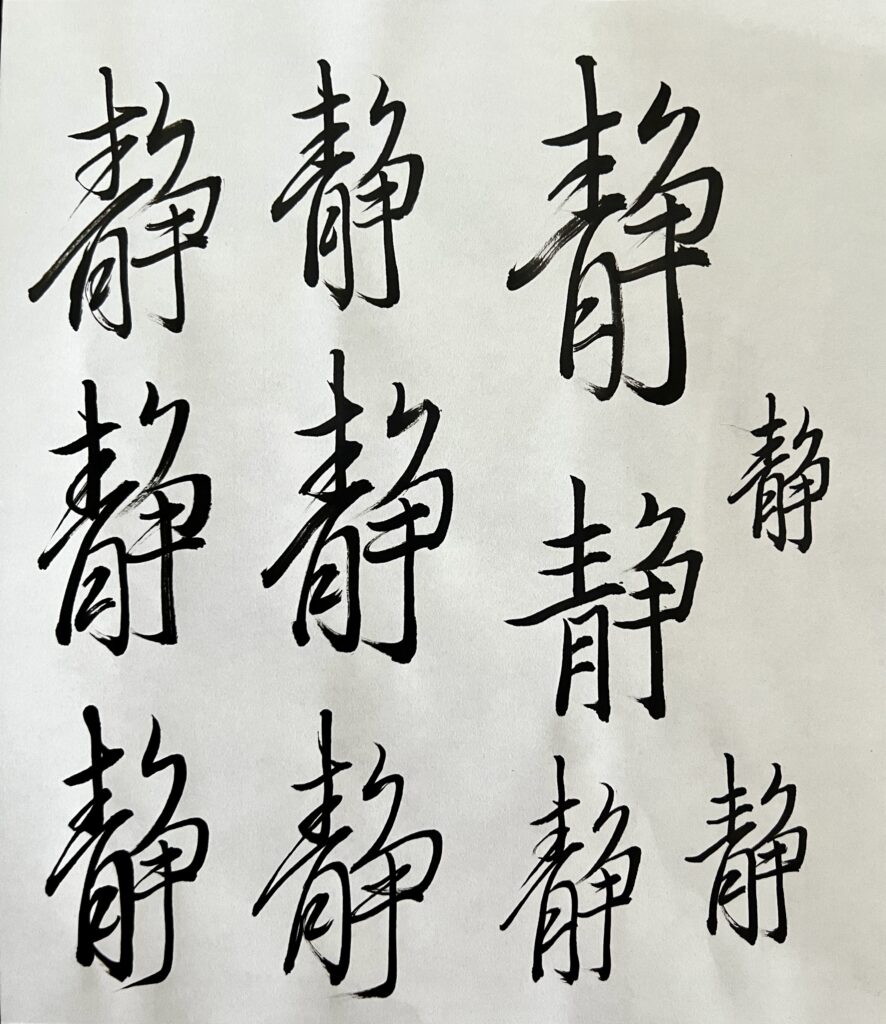
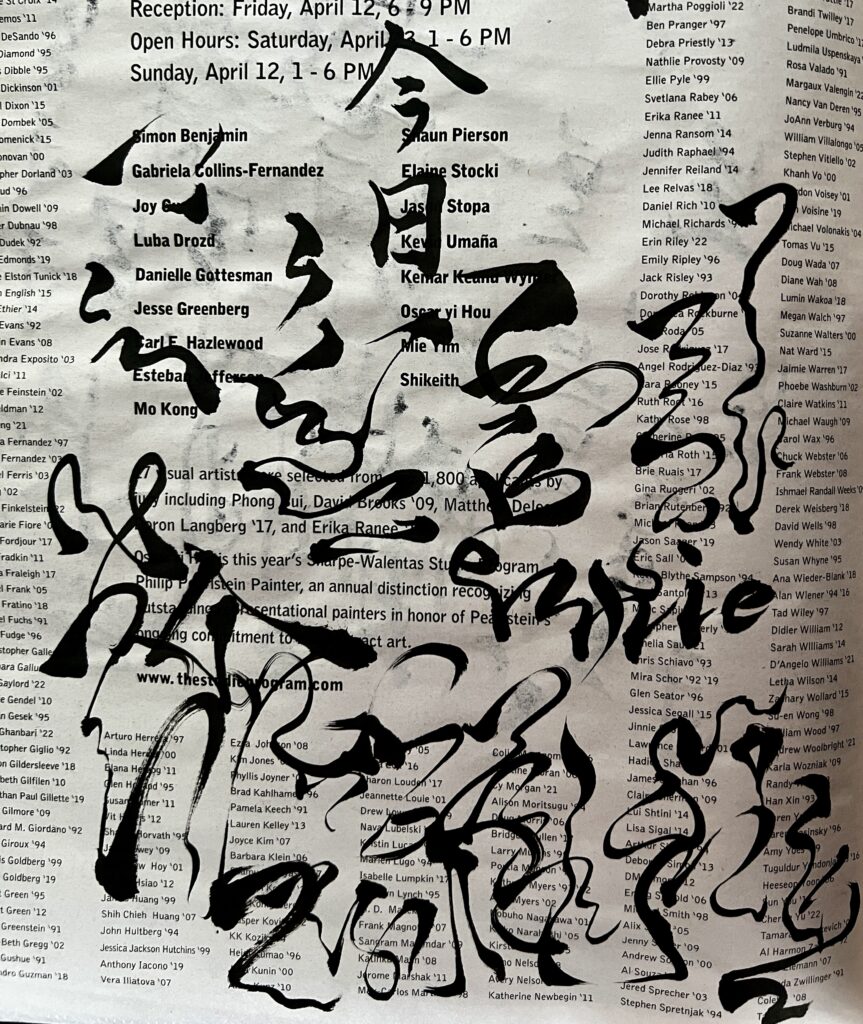
And that’s where I am in calligraphy today. Here are the real time lessons and reminders I’m giving myself (mirroring all the points above):
- It will look bad for a long time. Show up and practice anyways.
- Expand, but slowly. If simply copying old master’s works feels too rigid, how about copying but varying it a bit? How about copying without adhering to grid lines? How about copying only certain strokes instead of the whole word? The goal isn’t perfect, it’s expression while honouring composition.
- Keep copying old master’s work. This only expands your calligraphic vocabulary.
- Go to class. The most valuable feedback and community lives there.
- Listen to the characters. How does it feel when writing different strokes or characters? What energy does it carry?
- Listen to your body. How does your hand want to feel? What movement does it crave?
- Connect to the writing. Improve your Chinese. Find phrases to write that actually speak to you. Write modern phrases based on old master’s calligraphy.
- Take your time. It’ll be worth it.